
The prime minister of the United Kingdom is the head of the Government of the United Kingdom, and chair of the British Cabinet. There is no specific date for when the office of prime minister first appeared, as the role was not created but rather evolved over a period of time through a merger of duties. However, the term was regularly if informally used of Walpole by the 1730s. It was used in the House of Commons as early as 1805, and it was certainly in parliamentary use by the 1880s. In 1905 the post of prime minister was officially given recognition in the order of precedence. Modern historians generally consider Sir Robert Walpole, who led the government of Great Britain for over twenty years from 1721, as the first prime minister. Walpole is also the longest-serving British prime minister by this definition. However, Sir Henry Campbell-Bannerman was the first and Margaret Thatcher the longest-serving prime minister officially referred to as such in the order of precedence. The first to use the title in an official act was Benjamin Disraeli, who signed the Treaty of Berlin as “Prime Minister of her Britannic Majesty” in 1878.
Strictly speaking, the first prime minister of the United Kingdom of Great Britain and Ireland was William Pitt the Younger. The first prime minister of the current United Kingdom, i.e. the United Kingdom of Great Britain and Northern Ireland, was Bonar Law, although the country was not renamed officially until 1927, when Stanley Baldwin was the serving prime minister.
Due to the gradual evolution of the post of prime minister, the title is applied to early prime ministers only retrospectively; this has sometimes given rise to academic dispute. Lord Bath and Lord Waldegrave are sometimes listed as prime ministers. Bath was invited to form a ministry by George II when Henry Pelham resigned in 1746, as was Waldegrave in 1757 after the dismissal of William Pitt the Elder, who dominated the affairs of government during the Seven Years’ War. Neither was able to command sufficient parliamentary support to form a government; Bath stepped down after two days, and Waldegrave after three. Modern academic consensus does not consider either man to have held office as prime minister, and they are therefore listed separately.
Before 1721
Prior to the Georgian era, the Treasury of England was led by the Lord High Treasurer. By the late Tudor period, the Lord High Treasurer was regarded as one of the Great Officers of State, and was often (though not always) the dominant figure in government: Edward Seymour, 1st Duke of Somerset (Lord High Treasurer, 1547–1549), served as Lord Protector to his prepubescent nephew Edward VI; William Cecil, 1st Baron Burghley (Lord High Treasurer, 1572–1598), was the dominant minister to Elizabeth I;Burghley’s son Robert Cecil, 1st Earl of Salisbury, succeeded his father as chief minister to Elizabeth I (1598–1603) and was eventually appointed by James I as Lord High Treasurer (1608–1612).
By the late Stuart period, the Treasury was often run not by a single individual (i.e., the Lord High Treasurer) but by a commission of Lords of the Treasury, led by the First Lord of the Treasury. The last Lords High Treasurer, Lord Godolphin (1702–1710) and Lord Oxford (1711–1714), ran the government of Queen Anne.
After the succession of George I in 1714, the arrangement of a commission of Lords of the Treasury (as opposed to a single Lord High Treasurer) became permanent. For the next three years, the government was headed by Lord Townshend, who was appointed Secretary of State for the Northern Department. Subsequently, Lord Stanhope and Lord Sunderland ran the government jointly, with Stanhope managing foreign affairs and Sunderland domestic. Stanhope died in February 1721 and Sunderland resigned two months later; Townshend and Robert Walpole were then invited to form the next government. From that point, the holder of the office of First Lord also usually (albeit unofficially) held the status of prime minister. It was not until the Edwardian era that the title prime minister was constitutionally recognised. The prime minister still holds the office of First Lord by constitutional convention, the only exceptions being Lord Chatham (1766–1768) and Lord Salisbury (1885–1886, 1887–1892, 1895–1902).
From 1721
| 18th century | 19th century | 20th century | 21st century | |||
|---|---|---|---|---|---|---|
| Whig (16) Tory (10) Conservative (19) Liberal (7) Labour (6) National Labour (1) Peelite (1) | Monarch | Ref. | ||||||||
|---|---|---|---|---|---|---|---|---|---|---|
| Portrait | Title Prime Minister Office (Birth–Death) |
Term of office & mandate Duration in years and days |
Ministerial offices held as prime minister |
Party | Government | |||||
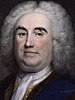 |
Sir Robert Walpole (1676–1745) |
3 April 1721 |
11 February 1742 |
1722 |
|
Whig | Walpole–Townshend | George I
1714–1727 |
||
| 1727 | George II
1727–1760 |
|||||||||
| 1734 | Walpole | |||||||||
| 1741 | ||||||||||
| 20 years and 315 days | ||||||||||
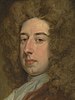 |
Spencer Compton 1st Earl of Wilmington (1673–1743) |
16 February 1742 |
2 July 1743 |
— |
|
Whig | Carteret | |||
| 1 year and 137 days | ||||||||||
| |  |
Henry Pelham (1694–1754) |
27 August 1743 |
6 March 1754 |
— |
|
Whig | |||
| Broad Bottom I | ||||||||||
| 1747 | Broad Bottom II | |||||||||
| 10 years and 192 days | ||||||||||
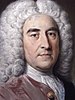 |
Thomas Pelham-Holles 1st Duke of Newcastle (1693–1768) |
16 March 1754 |
11 November 1756 |
1754 |
|
Whig | Newcastle I | |||
| 2 years and 241 days | ||||||||||
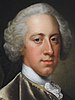 |
William Cavendish 4th Duke of Devonshire (1720–1764) |
16 November 1756 |
29 June 1757 |
— |
|
Whig | Pitt–Devonshire | |||
| 1757 Caretaker | ||||||||||
| 226 days | ||||||||||
| | |
Thomas Pelham-Holles 1st Duke of Newcastle (1693–1768) |
29 June 1757 |
26 May 1762 |
1761 |
|
Whig | Pitt–Newcastle | ||
| Bute–Newcastle (Tory–Whig) |
George III
1760–1820 |
|||||||||
| 4 years and 332 days | ||||||||||
 |
John Stuart 3rd Earl of Bute (1713–1792) |
26 May 1762 |
8 April 1763 |
— |
|
Tory | Bute | |||
| 318 days | ||||||||||
 |
George Grenville (1712–1770) |
16 April 1763 |
10 July 1765 |
— |
|
Whig (Grenvillite) |
Grenville (mainly Whig) |
|||
| 2 years and 86 days | ||||||||||
 |
Charles Watson-Wentworth 2nd Marquess of Rockingham (1730–1782) |
13 July 1765 |
30 July 1766 |
— |
|
Whig (Rockinghamite) |
Rockingham I | |||
| 1 year and 18 days | ||||||||||
 |
William Pitt the Elder 1st Earl of Chatham (1708–1778) |
30 July 1766 |
14 October 1768 |
1768 |
|
Whig (Chathamite) |
Chatham | |||
| 2 years and 77 days | ||||||||||
 |
Augustus FitzRoy 3rd Duke of Grafton (1735–1811) |
14 October 1768 |
28 January 1770 |
— |
|
Whig (Chathamite) |
Grafton | |||
| 1 year and 107 days | ||||||||||
 |
Frederick North Lord North (1732–1792) |
28 January 1770 |
27 March 1782 |
1774 |
|
Tory (Northite) |
North | |||
| 1780 | ||||||||||
| 12 years and 59 days | ||||||||||
|
Charles Watson-Wentworth 2nd Marquess of Rockingham (1730–1782) |
27 March 1782 |
1 July 1782 |
— |
|
Whig (Rockinghamite) |
Rockingham II | |||
| 97 days | ||||||||||
 |
William Petty 2nd Earl of Shelburne (1737–1805) |
4 July 1782 |
26 March 1783 |
— |
|
Whig (Chathamite) |
Shelburne | |||
| 266 days | ||||||||||
 |
William Cavendish-Bentinck 3rd Duke of Portland (1738–1809) |
2 April 1783 |
18 December 1783 |
— |
|
Whig | Fox–North | |||
| 261 days | ||||||||||
 |
William Pitt the Younger (1759–1806) |
19 December 1783 |
14 March 1801 |
1784 |
|
Tory (Pittite) |
Pitt I | |||
| 1790 | ||||||||||
| 1796 | ||||||||||
| 17 years and 86 days | ||||||||||
 |
Henry Addington (1757–1844) |
17 March 1801 |
10 May 1804 |
1801 |
|
Tory (Addingtonian) |
Addington | |||
| 1802 | ||||||||||
| 3 years and 55 days | ||||||||||
|
William Pitt the Younger (1759–1806) |
10 May 1804 |
23 January 1806 |
— |
|
Tory (Pittite) |
Pitt II | |||
| 1 year and 259 days | ||||||||||
 |
William Grenville 1st Baron Grenville (1759–1834) |
11 February 1806 |
25 March 1807 |
1806 |
|
Whig | All the Talents (Whig–Tory) |
|||
| 1 year and 43 days | ||||||||||
|
William Cavendish-Bentinck 3rd Duke of Portland (1738–1809) |
31 March 1807 |
4 October 1809 |
1807 |
|
Tory (Pittite) |
Portland II | |||
| 2 years and 188 days | ||||||||||
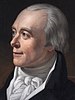 |
Spencer Perceval (1762–1812) |
4 October 1809 |
11 May 1812 |
— |
|
Tory (Pittite) |
Perceval | |||
| 2 years and 221 days | ||||||||||
 |
Robert Jenkinson 2nd Earl of Liverpool (1770–1828) |
8 June 1812 |
9 April 1827 |
1812 |
|
Tory (Pittite) |
Liverpool | |||
| 1818 | George IV
1820–1830 |
|||||||||
| 1820 | ||||||||||
| 1826 | ||||||||||
| 14 years and 306 days | ||||||||||
 |
George Canning (1770–1827) |
12 April 1827 |
8 August 1827 |
— |
|
Tory (Canningite) |
Canning (Canningite–Whig) |
|||
| 119 days | ||||||||||
 |
Frederick John Robinson 1st Viscount Goderich (1782–1859) |
31 August 1827 |
8 January 1828 |
— |
|
Tory (Canningite) |
Goderich | |||
| 131 days | ||||||||||
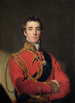 |
Arthur Wellesley 1st Duke of Wellington (1769–1852) |
22 January 1828 |
16 November 1830 |
1830 |
|
Tory | Wellington–Peel | |||
| 2 years and 299 days | William IV
1830–1837 |
|||||||||
 |
Charles Grey 2nd Earl Grey (1764–1845) |
22 November 1830 |
9 July 1834 |
1831 |
|
Whig | Grey | |||
| 1832 | ||||||||||
| 3 years and 230 days | ||||||||||
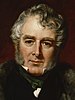 |
William Lamb 2nd Viscount Melbourne (1779–1848) |
16 July 1834 |
14 November 1834 |
— |
|
Whig | Melbourne I | |||
| 122 days | ||||||||||
|
Arthur Wellesley 1st Duke of Wellington (1769–1852) |
17 November 1834 |
9 December 1834 |
— |
|
Tory | Wellington Caretaker | |||
| 23 days | ||||||||||
 |
Sir Robert Peel (1788–1850) |
10 December 1834 |
8 April 1835 |
— |
|
Conservative | Peel I | |||
| 120 days | ||||||||||
|
William Lamb 2nd Viscount Melbourne (1779–1848) |
18 April 1835 |
30 August 1841 |
1835 |
|
Whig | Melbourne II | |||
| 1837 | Victoria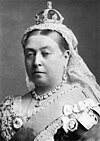
1837–1901 |
|||||||||
| 6 years and 135 days | ||||||||||
|
Sir Robert Peel (1788–1850) |
30 August 1841 |
29 June 1846 |
1841 |
|
Conservative | Peel II | |||
| 4 years and 304 days | ||||||||||
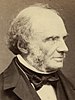 |
Lord John Russell (1792–1878) |
30 June 1846 |
21 February 1852 |
1847 |
|
Whig | Russell I | |||
| 5 years and 237 days | ||||||||||
 |
Edward Smith-Stanley 14th Earl of Derby (1799–1869) |
23 February 1852 |
17 December 1852 |
1852 |
|
Conservative | Who? Who? | |||
| 299 days | ||||||||||
 |
George Hamilton-Gordon 4th Earl of Aberdeen (1784–1860) |
19 December 1852 |
30 January 1855 |
— |
|
Peelite | Aberdeen (Peelite–Whig–et al.) |
|||
| 2 years and 43 days | ||||||||||
 |
Henry John Temple 3rd Viscount Palmerston (1784–1865) |
6 February 1855 |
19 February 1858 |
1857 |
|
Whig | Palmerston I | |||
| 3 years and 14 days | ||||||||||
|
Edward Smith-Stanley 14th Earl of Derby (1799–1869) |
20 February 1858 |
11 June 1859 |
— |
|
Conservative | Derby–Disraeli II | |||
| 1 year and 112 days | ||||||||||
|
Henry John Temple 3rd Viscount Palmerston (1784–1865) |
12 June 1859 |
18 October 1865 |
1859 |
|
Liberal | Palmerston II | |||
| 1865 | ||||||||||
| 6 years and 129 days | ||||||||||
|
John Russell 1st Earl Russell (1792–1878) |
29 October 1865 |
26 June 1866 |
— |
|
Liberal | Russell II | |||
| 241 days | ||||||||||
|
Edward Smith-Stanley 14th Earl of Derby (1799–1869) |
28 June 1866 |
25 February 1868 |
— |
|
Conservative | Derby–Disraeli III | |||
| 1 year and 243 days | ||||||||||
 |
Benjamin Disraeli (1804–1881) |
See also § Main articles:1 |
|
Conservative | ||||||
| 27 February 1868 |
1 December 1868 |
— | ||||||||
| 279 days | ||||||||||
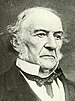 |
William Ewart Gladstone (1809–1898) |
See also § Main articles:2 |
|
Liberal | Gladstone I | |||||
| 3 December 1868 |
17 February 1874 |
1868 | ||||||||
| 5 years and 77 days | ||||||||||
|
Benjamin Disraeli 1st Earl of Beaconsfield (1804–1881) |
See also § Main articles:1 |
|
Conservative | Disraeli II | |||||
| 20 February 1874 |
21 April 1880 |
1874 | ||||||||
| 6 years and 62 days | ||||||||||
|
William Ewart Gladstone (1809–1898) |
See also § Main articles:2 |
|
Liberal | Gladstone II | |||||
| 23 April 1880 |
9 June 1885 |
1880 | ||||||||
| 5 years and 48 days | ||||||||||
 |
Robert Gascoyne-Cecil 3rd Marquess of Salisbury (1830–1903) |
23 June 1885 |
28 January 1886 |
— |
|
Conservative | Salisbury I | |||
| 220 days | ||||||||||
|
William Ewart Gladstone (1809–1898) |
See also § Main articles:2 |
|
Liberal | Gladstone III | |||||
| 1 February 1886 |
20 July 1886 |
1885 | ||||||||
| 170 days | ||||||||||
|
Robert Gascoyne-Cecil 3rd Marquess of Salisbury (1830–1903) |
25 July 1886 |
11 August 1892 |
1886 |
|
Conservative | Salisbury II | |||
| 6 years and 18 days | ||||||||||
|
William Ewart Gladstone (1809–1898) |
See also § Main articles:2 |
|
Liberal | Gladstone IV | |||||
| 15 August 1892 |
2 March 1894 |
1892 | ||||||||
| 1 year and 200 days | ||||||||||
 |
Archibald Primrose 5th Earl of Rosebery (1847–1929) |
5 March 1894 |
22 June 1895 |
— |
|
Liberal | Rosebery | |||
| 1 year and 110 days | ||||||||||
|
Robert Gascoyne-Cecil 3rd Marquess of Salisbury (1830–1903) |
25 June 1895 |
11 July 1902 |
1895 |
|
Conservative | Salisbury III (Con.–Lib.U.) |
|||
| 1900 | Salisbury IV | Edward VII
1901–1910 |
||||||||
| 7 years and 17 days | ||||||||||
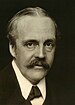 |
Arthur Balfour (1848–1930) |
12 July 1902 |
4 December 1905 |
— |
|
Conservative | Balfour | |||
| 3 years and 146 days | ||||||||||
 |
Sir Henry Campbell-Bannerman (1836–1908) |
5 December 1905 |
3 April 1908 |
1906 |
|
Liberal | Campbell-Bannerman | |||
| 2 years and 121 days | ||||||||||
 |
H. H. Asquith (1852–1928) |
8 April 1908 |
5 December 1916 |
— |
|
Liberal | Asquith I | |||
| Jan.1910 | Asquith II | George V
1910–1936 |
||||||||
| Dec.1910 | Asquith III | |||||||||
| — | Asquith Coalition (Lib.–Con.–et al.) |
|||||||||
| 8 years and 243 days | ||||||||||
 |
David Lloyd George (1863–1945) |
6 December 1916 |
19 October 1922 |
— |
|
Liberal | Lloyd George War | |||
| 1918 | Lloyd George II (Lib.–Con.) |
|||||||||
| 5 years and 318 days | ||||||||||
 |
Andrew Bonar Law (1858–1923) |
23 October 1922 |
20 May 1923 |
1922 |
|
Conservative (Scot.U.) |
Law | |||
| 210 days | ||||||||||
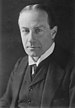 |
Stanley Baldwin (1867–1947) |
22 May 1923 |
22 January 1924 |
— |
|
Conservative | Baldwin I | |||
| 246 days | ||||||||||
 |
Ramsay MacDonald (1866–1937) |
22 January 1924 |
4 November 1924 |
1923 |
|
Labour | MacDonald I | |||
| 288 days | ||||||||||
|
Stanley Baldwin (1867–1947) |
4 November 1924 |
4 June 1929 |
1924 |
|
Conservative | Baldwin II | |||
| 4 years and 213 days | ||||||||||
|
Ramsay MacDonald (1866–1937) |
5 June 1929 |
7 June 1935 |
1929 |
|
Labour | MacDonald II | |||
| — | National Labour | National I (N.Lab.–Con.–et al.) |
||||||||
| 1931 | National II | |||||||||
| 6 years and 3 days | ||||||||||
| | |
Stanley Baldwin (1867–1947) |
7 June 1935 |
28 May 1937 |
1935 |
|
Conservative | National III | ||
Edward VIII
1936 |
||||||||||
| 1 year and 356 days | George VI
1936–1952 |
|||||||||
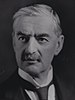 |
Neville Chamberlain (1869–1940) |
28 May 1937 |
10 May 1940 |
— |
|
Conservative | National IV | |||
| Chamberlain War | ||||||||||
| 2 years and 349 days | ||||||||||
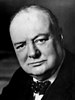 |
Winston Churchill (1874–1965) |
10 May 1940 |
26 July 1945 |
— |
|
Conservative | Churchill War | |||
| 5 years and 78 days | Churchill Caretaker (Con.–L.Nat.) |
|||||||||
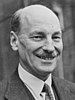 |
Clement Attlee (1883–1967) |
26 July 1945 |
26 October 1951 |
1945 |
|
Labour | Attlee I | |||
| 1950 | Attlee II | |||||||||
| 6 years and 93 days | ||||||||||
|
Sir Winston Churchill (1874–1965) |
26 October 1951 |
5 April 1955 |
1951 |
|
Conservative | Churchill III | |||
| 3 years and 162 days | Elizabeth II
1952–present |
|||||||||
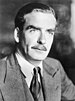 |
Sir Anthony Eden (1897–1977) |
6 April 1955 |
9 January 1957 |
1955 |
|
Conservative | Eden | |||
| 1 year and 279 days | ||||||||||
 |
Harold Macmillan MP for Bromley (1894–1986) |
10 January 1957 |
18 October 1963 |
— |
|
Conservative | Macmillan I | |||
| 1959 | Macmillan II | |||||||||
| 6 years and 282 days | ||||||||||
 |
Sir Alec Douglas-Home MP for Kinross and Western Perthshire (1903–1995) |
19 October 1963 |
16 October 1964 |
— |
|
Conservative (Scot.U.) |
Douglas-Home | |||
| 364 days | ||||||||||
 |
Harold Wilson MP for Huyton (1916–1995) |
16 October 1964 |
19 June 1970 |
1964 |
|
Labour | Wilson I | |||
| 1966 | Wilson II | |||||||||
| 5 years and 247 days | ||||||||||
 |
Edward Heath MP for Bexley (1916–2005) |
19 June 1970 |
4 March 1974 |
1970 |
|
Conservative | Heath | |||
| 3 years and 259 days | ||||||||||
|
Harold Wilson MP for Huyton (1916–1995) |
4 March 1974 |
5 April 1976 |
Feb.1974 |
|
Labour | Wilson III | |||
| Oct.1974 | Wilson IV | |||||||||
| 2 years and 33 days | ||||||||||
 |
James Callaghan MP for Cardiff South and Penarth (1912–2005) |
5 April 1976 |
4 May 1979 |
— |
|
Labour | Callaghan | |||
| 3 years and 30 days | ||||||||||
 |
Margaret Thatcher MP for Finchley (1925–2013) |
See also § Main articles:3 |
|
Conservative | Thatcher I | |||||
| 4 May 1979 |
28 November 1990 |
1979 | ||||||||
| 1983 | Thatcher II | |||||||||
| 1987 | Thatcher III | |||||||||
| 11 years and 209 days | ||||||||||
 |
John Major (born 1943) MP for Huntingdon |
28 November 1990 |
2 May 1997 |
— |
|
Conservative | Major I | |||
| 1992 | Major II | |||||||||
| 6 years and 156 days | ||||||||||
 |
Tony Blair (born 1953) MP for Sedgefield |
See also § Main articles:4 |
|
Labour | Blair I | |||||
| 2 May 1997 |
27 June 2007 |
1997 | ||||||||
| 2001 | Blair II | |||||||||
| 2005 | Blair III | |||||||||
| 10 years and 57 days | ||||||||||
 |
Gordon Brown (born 1951) MP for Kirkcaldy and Cowdenbeath |
See also § Main articles:5 |
|
Labour | Brown | |||||
| 27 June 2007 |
11 May 2010 |
— | ||||||||
| 2 years and 319 days | ||||||||||
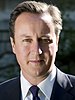 |
David Cameron (born 1966) MP for Witney |
See also § Main articles:6 |
|
Conservative | Cameron–Clegg (Con.–Lib.Dems.) |
|||||
| 11 May 2010 |
13 July 2016 |
2010 | ||||||||
| 2015 | Cameron II | |||||||||
| 6 years and 64 days | ||||||||||
 |
Theresa May (born 1956) MP for Maidenhead |
See also § Main articles:7 |
|
Conservative | May I | |||||
| 13 July 2016 |
24 July 2019 |
— | ||||||||
| 2017 | May II | |||||||||
| 3 years and 12 days | ||||||||||
 |
Boris Johnson (born 1964) MP for Uxbridge and South Ruislip |
See also § Main articles:8 |
|
Conservative | Johnson I | |||||
| 24 July 2019 |
Incumbent | — | ||||||||
| 2019 | Johnson II | |||||||||
| 1 year and 260 days | ||||||||||
| Title Prime Minister Office (Birth–Death) |
Term of office & mandate | Ministerial offices | Party | Government | Monarch | Ref. | ||||
Disputed
| Whig (2) | Monarch | ||||||||
|---|---|---|---|---|---|---|---|---|---|
| Title Prime Minister Office (Birth–Death) |
Term of office & mandate Duration in years and days |
Ministerial offices held as prime minister |
Party | Government | |||||
 |
William Pulteney 1st Earl of Bath (1684–1764) |
10 February 1746 |
12 February 1746 |
– |
|
Whig | Short Lived | George II
(1727–1760) |
|
| 3 days | |||||||||
 |
James Waldegrave 2nd Earl Waldegrave (1715–1763) |
8 June 1756 |
12 June 1756 |
– | Waldegrave | ||||
| 5 days | |||||||||
Living former officeholders
As of April 2021, there are five living former British prime ministers. The most recent to die was Margaret Thatcher (1979–1990), on 8 April 2013.
-
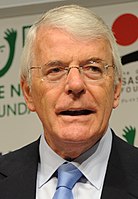
Sir John Major (age 78)
(1990–1997) -

Tony Blair (age 67)
(1997–2007) -

Gordon Brown (age 70)
(2007–2010) -

David Cameron (age 54)
(2010–2016) -

Theresa May (age 64)
(2016–2019)
See also
 Biography
 Politics
 United Kingdom
 Lists
Lists- List of prime ministers of the United Kingdom by length of tenure
- List of prime ministers of the United Kingdom by education
- Assassination of Spencer Perceval
- Downing Street
- List of British governments
- List of current heads of government in the United Kingdom and dependencies
- Deputy Prime Minister of the United Kingdom
- List of United Kingdom general elections
- Royal prerogative in the United Kingdom
- List of government ministers of the United Kingdom
- ^1: Premierships of Benjamin Disraeli
- ^2: Premierships of William Ewart Gladstone
- ^3: Premiership of Margaret Thatcher
- ^4: Premiership of Tony Blair
- ^5: Premiership of Gordon Brown
- ^6: Premiership of David Cameron
- ^7: Premiership of Theresa May
- ^8: Premiership of Boris Johnson